 15
15news
September 23, 2025
Global Gold Prices Keep Hitting Record Highs: Why Investors Shouldn’t Be Complacent Ahead of Upcoming Fed Statements

Gold – The Shining Star Amid Global Uncertainty
Amid complex global economic turbulence, gold has once again reaffirmed its role as the ultimate safe-haven asset. In recent weeks, global gold prices have consistently broken new records, surpassing $3,750/ounce in the spot market and reaching nearly $3,789/ounce for December futures contracts. These milestones are not only symbolic but also signal a significant shift in investor sentiment worldwide.
However, this bullish momentum may not be sustainable. The upcoming statements from the U.S. Federal Reserve (Fed) could determine whether gold continues to rally to new highs or faces a sharp correction. To understand this dynamic, we must examine both the drivers behind gold’s surge and the risks tied to Fed policy and global macroeconomic conditions.
Drivers Behind Gold’s Relentless Rally
Market Expectations of Fed Rate Cuts
Over the past several months, investors have increasingly bet that the Fed will be forced to begin an easing cycle. The U.S. economy has shown signs of cooling in the labor market, consumer demand, and industrial production. At the same time, inflation remains elevated but has lost some of its earlier momentum.
Markets are currently pricing in at least one rate cut in October, with a possible second cut in December. Lower interest rates translate into lower real yields on U.S. Treasuries, making gold an asset that does not generate income comparatively more attractive. This expectation has been a critical fuel for gold’s recent rally.
A Weaker U.S. Dollar
The U.S. Dollar Index, which measures the greenback against a basket of major currencies, has declined on expectations of Fed easing. A weaker dollar makes gold cheaper for investors holding euros, yen, yuan, and other currencies, thereby boosting global demand.
Central Bank and ETF Buying
Many central banks, particularly in emerging markets, have ramped up gold purchases. Their goal is not only to diversify reserves but also to reduce reliance on the U.S. dollar, which has increasingly been used as a “financial weapon” in sanctions.
Meanwhile, gold-backed ETFs have seen significant inflows. Institutional investors funneling money into ETFs force these funds to accumulate physical gold, further adding to demand.
The Fed – The Wild Card That Could Change Everything
Despite gold’s strong performance, seasoned investors understand that the Fed ultimately dictates short- to mid-term price trends.
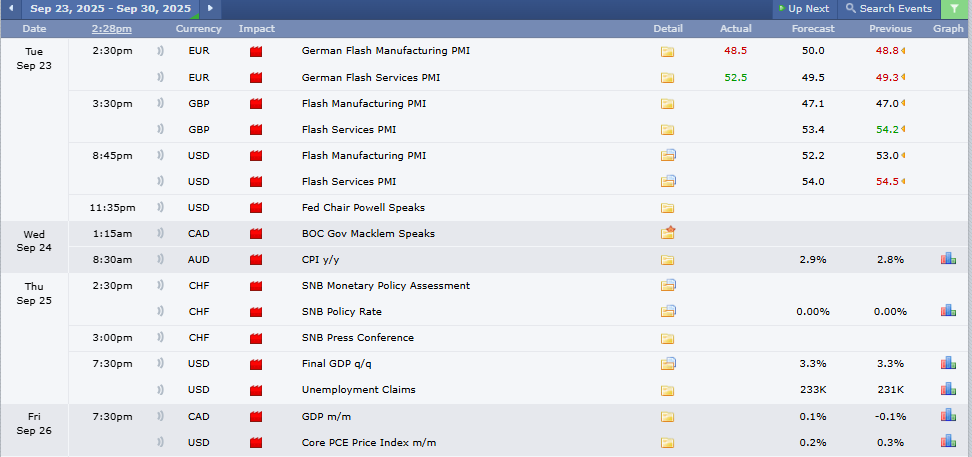
PCE Data – The “Mirror” of Inflation
The Personal Consumption Expenditures (PCE) index the Fed’s preferred measure of inflation is due soon. If the PCE prints higher than expected, the Fed could delay or slow rate cuts. That scenario would lift Treasury yields again, diminishing gold’s relative appeal.
Powell’s Speeches and FOMC Guidance
Financial markets often react sharply not only to the Fed’s actions but also to its language. Should Chair Jerome Powell strike a “hawkish” tone, emphasizing the need to keep inflation under control, gold could face sell-offs as investors rotate into yield-bearing assets. Conversely, if Powell adopts a “dovish” stance, confirming a rate-cut trajectory, gold could easily surpass $3,800/ounce in the near term.
Internal Divisions Within the Fed
Not all Fed officials share the same outlook. Some remain wary that inflation is still too persistent for early easing, while others are more concerned about recession risks. This internal divergence adds uncertainty, making every Fed communication a potential catalyst for gold volatility.
Long-Term Perspective: Is Gold Still Attractive?
Many analysts argue that gold retains strong long-term potential, even if short-term corrections occur. Several reasons support this view:
Multipolar trends in global finance: More countries are reducing reliance on the U.S. dollar, boosting demand for gold as a reserve asset.
Fiscal pressures and debt accumulation: The U.S. and other major economies face record-high public debt. In the event of a financial crisis, gold would serve as a hedge against currency debasement.
Industrial and green demand: Gold demand from electronics, technology, and renewable energy industries continues to grow, reinforcing its fundamental value
Investment Strategy Recommendations
Given the current backdrop, experts suggest:
Avoid going “all-in” on gold despite the bullish momentum. Allocate a prudent proportion of the portfolio (10–20%).
Closely monitor Fed signals: PCE, CPI, and Powell’s speeches are key short-term drivers.
Prepare for volatility: Gold can swing by tens of dollars per ounce within hours after Fed remarks. Use stop-loss orders and disciplined risk management.
Diversify holdings: Complement gold with U.S. Treasuries, defensive equities, or cash to mitigate downside risks.
Don’t Get Complacent at Record Highs
Gold has become the centerpiece of global markets, setting all-time highs and capturing investor attention. Yet history shows that after every sharp rally, gold can experience equally sharp corrections especially when the Fed changes its tone or when economic data diverges from expectations.
In this environment, discipline and prudence matter more than euphoria. Investors must look beyond the short-term records to recognize that Fed policy remains the true driver of gold’s trajectory. Gold may continue to shine, but only those who manage risks effectively and avoid complacency will truly benefit from this “gold rush.”